Still figuring it out.
Still on the journey.
If you love Jesus—and you’re still asking hard questions about the church. If you’re grieving something you can’t quite name. If you’ve felt the distance between what your faith declares and what it actually does—this is for you. It’s where I’ve been living, too.
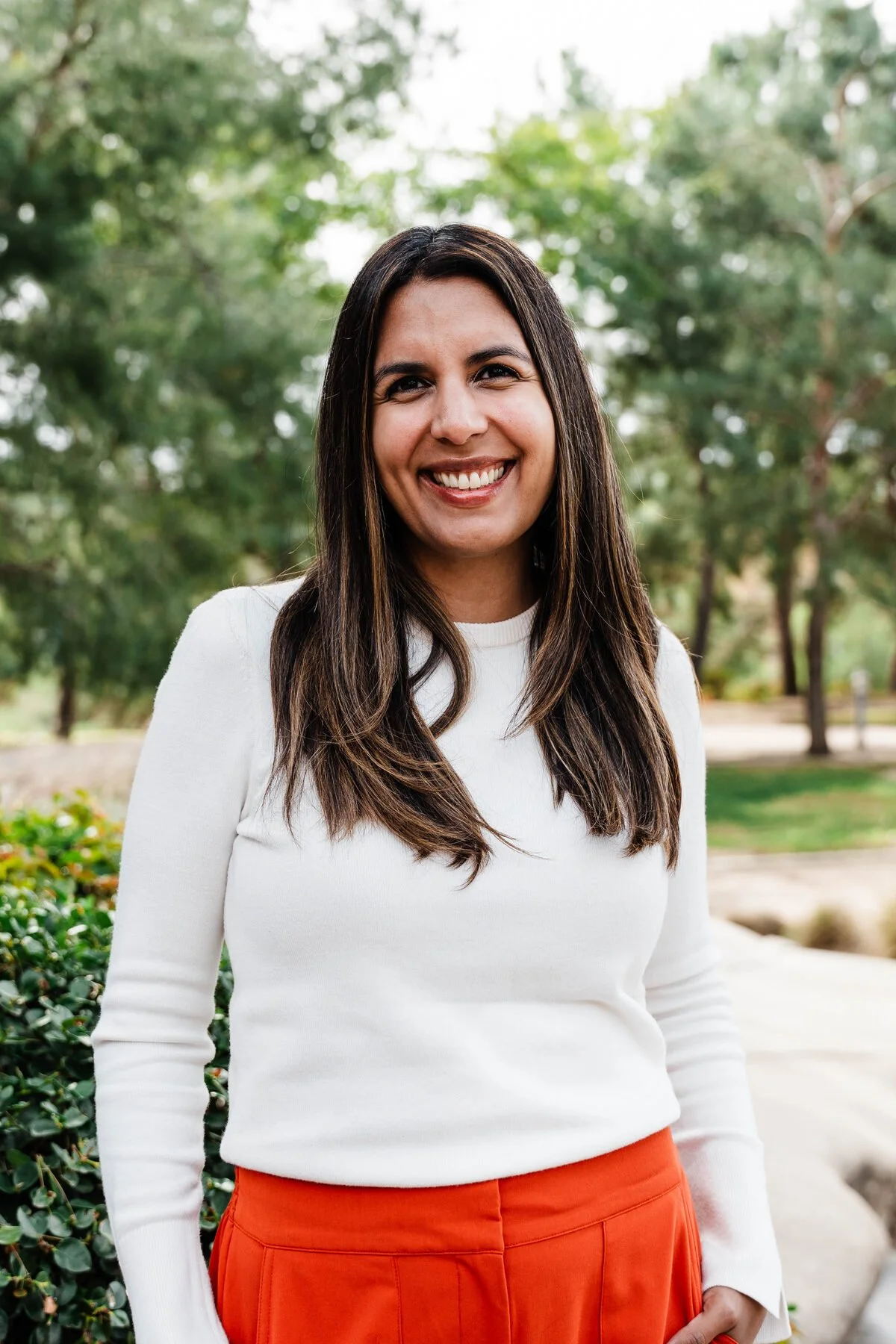
I’m Nebai. A Latina follower of Jesus, a justice and formation practitioner, and a fellow traveler who has been sitting with these questions for a long time.
What does faithfulness look like when the institution is failing? What if the peace Jesus promised is bigger than what we were handed?
I built The Shalom Way because I believe there is a word that holds all of it—a word that encompasses what God values and prioritizes: the poor, the foreigner, the widow, the orphan. A Hebrew word carrying more weight than its English translation can bear.
That word is shalom.
I am not here as an expert who has arrived. I’m here as someone still being formed, offering what has been forming me.
I grew up an immigrant in mostly white evangelical spaces, with a heart for missions and a growing ache for justice. Being an immigrant often left me on the outside of the rooms I was in—ni de aquí, ni de allá, not quite from here, not quite from there. That in-between place taught me compassion for others on the margins, and that compassion slowly became a hunger for justice.
In pursuit of a life shaped by that hunger, I earned my Master of Arts in Justice and Advocacy at Fuller Theological Seminary, where I first met the biblical framework of shalom and its inseparable link to justice. It undid me—it began years of deconstructing and reconstructing what I believed. I’m still on that road toward a life of shalom; not finished, just faithful to the next step.
I live in Orange County, California, with my husband and our son.
LINEAGE
The voices that formed this work
This work does not begin with me. It stands in a long tradition of theologians and practitioners—many of them people of color—who have been doing the work of shalom and reconciliation for decades.
Gustavo Gutiérrez, On the Side of the Poor: The Theology of Liberation—actively pursuing wholeness for all mankind through liberation from oppression.
John M. Perkins, Let Justice Roll Down—on neighbor-love that becomes justice.
Howard Thurman, Jesus and the Disinherited—human dignity and love as radical resistance.
Randy Woodley, Shalom and the Community of Creation—an Indigenous vision of shalom where the marginalized lead.
Kat Armas, Liturgies for Resisting Empire—pursuing belonging and restoration where dignity is at stake.
Robert Chao Romero, Brown Church—healing the “us vs. them” divide.
Brenda Salter McNeil, Becoming Brave—on reconciliation as courage.
Al Tizon, Whole and Reconciled—on holistic mission.
Rich Villodas, The Deeply Formed Life—healing inner fragmentation, and grounding identity in belovedness.
I read them, learn from them, and hand them forward. Where you see something true here, it is almost always because someone taught me first.
WHAT’S COMING
The Shalom Way is the public front door of a larger work—the Shalom Formation Collective. Cohorts, a group study, and a mentorship initiative for emerging Latino/a leaders are taking shape. When there’s a door to walk through, I’ll open it here.
SPEAKING & PARTNERSHIP
Nebai Cherrick writes and teaches on biblical shalom—peace and justice together—from a Latina evangelical perspective. She holds a Master of Arts in Justice and Advocacy from Fuller Theological Seminary, and speaks on shalom as a framework for spiritual formation, reconciliation across difference, and faithful presence in institutions under strain.
For speaking, interviews, or church and organizational partnership: ncherrick@gmail.com
(Short bio, headshot, and topic list available on request.)
Where is peace missing in your life?
That’s the question this whole work turns on. If you’d like a place to start, begin with the reflection.